

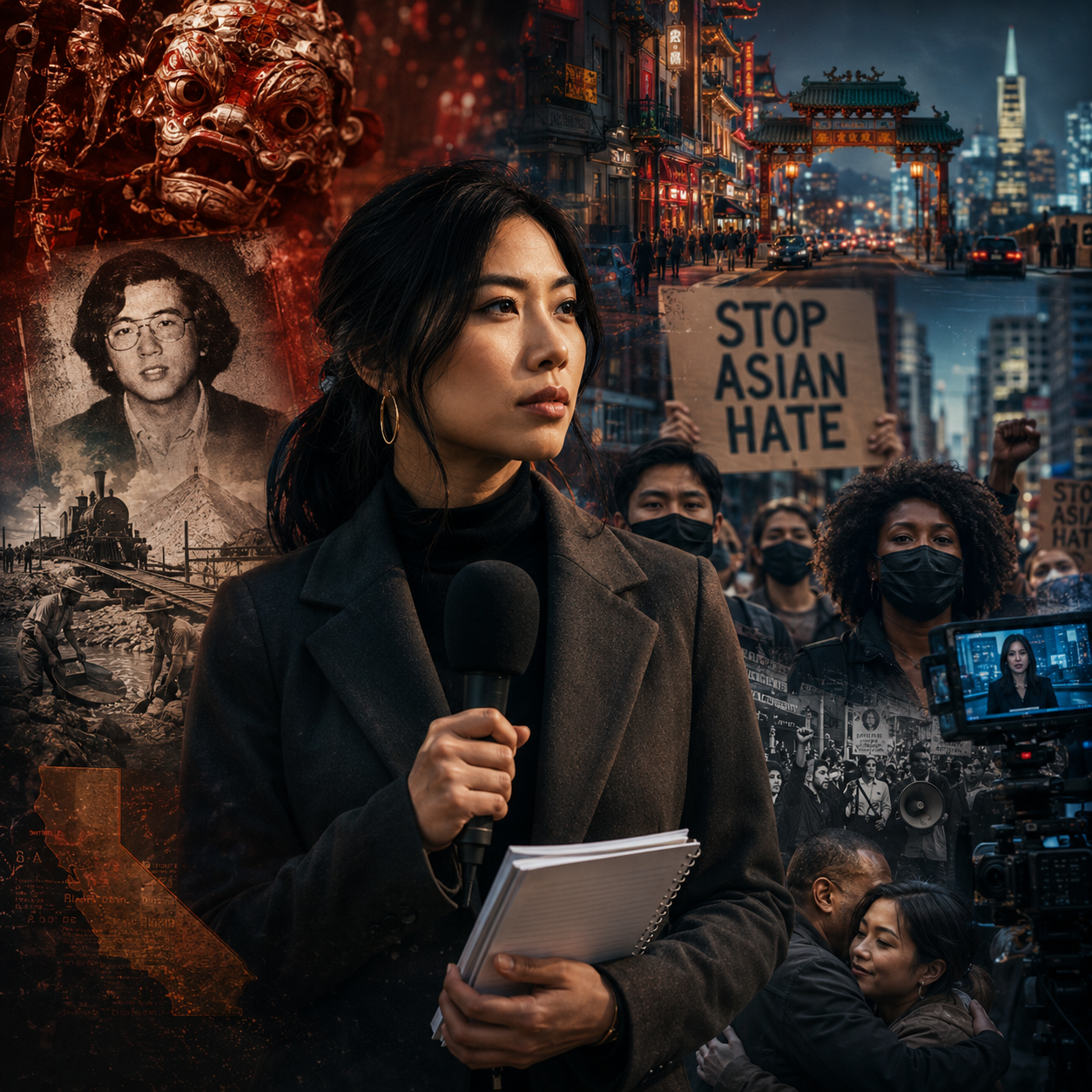
In this powerful episode of Everyday Conversations on Race, host Simma the Inclusionist sits down with Emmy award-winning journalist and author Dion Lim to confront a question too many are avoiding: “Why has the conversation about anti-Asian hate gone silent”?
Dion takes us behind the headline-making DM that changed her career — an anonymous video of an elderly Asian man being brutally beaten in San Francisco — and reveals what it took to bring stories like his to light when her own newsroom resisted.
From the murder of Vincent Chin to COVID-era scapegoating, she traces the deep historical roots of anti-Asian racism in America. She explains why the silence after the peak of BLM and Stop AAPI Hate is not just disappointing — it’s dangerous.
Topics in This Episode:
- Why anti-Asian hate is “as old as the Gold Rush” — and why we’re erasing that history
- The cultural shame that keeps Asian American victims from speaking out
- The death threats and hit pieces Dion faced for reporting the truth
- How DEI rollbacks are affecting communities right now
- What Black-Asian solidarity actually looks like on the ground
- The role food, music, and pop culture play in bridging racial divides
- Dion’s new book Amplify: My Fight for Asian America (foreword by Olivia Munn)
You’ll hear:
- The anonymous 12-second DM that changed everything — a video of an elderly Asian man being attacked while collecting cans in San Francisco’s Bayview neighborhood
- Why Asian American victims often don’t come forward: cultural conditioning, family shame, distrust of media, and generational silence
- Anti-Asian hate isn’t new — from the Gold Rush to Vincent Chin to Yik Oi Huang and Vishal Ratanapakdee
- How COVID gave people permission to blame Asians — and how “kung flu” and “China virus” language fueled violenc
- The backlash Dion faced: a Washington Post hit piece orchestrated by a former DA’s team, death threats from people who denied anti-Asian hate was real
- Why the Asian American community isn’t monolithic — income inequality, cultural differences, and the “model minority” myth
- The connection between Black and Asian communities — shared history, manufactured division, and what solidarity actually looks like on the ground
- Grassroots response: patrol groups, the Blue Angels in Oakland, and the role of everyday people showing up for each other
- Simma’s own history with the original Rainbow Coalition — The Young Patriots, the Black Panthers, the Young Lords, and Asian groups working together in the late ’60s and ’70s
- The immigrant parent dynamic: silence as survival, pride as a long time coming, and what it meant when Dion’s father finally expressed pride after her 20/20 appearance
- What Dion wants for the next generation: be loud, find your community, take care of your mental health, and don’t be afraid to take up space
- TV recommendation: Warrior — the series about the rise of the Tongs and how Chinese workers were treated in California
- The ask: get Amplify on the New York Times bestseller list — and why it matters beyond sales
Key Learnings:
- Silence is not safety. When institutions stop talking about race, hate doesn’t disappear — it goes underground and grows. The rollback of DEI programs and race coverage in newsrooms makes communities more vulnerable, not more comfortable.
- Anti-Asian hate has deep American roots. This isn’t a COVID story. It goes back to the Gold Rush, the Chinese Exclusion Act, and the murder of Vincent Chin. Understanding that history is the first step to not repeating it.
- Cultural conditioning keeps people quiet. Many Asian Americans are raised to not cause a fuss, not draw attention, not inconvenience others. That silence protects no one — it protects the people doing harm.
- Division between communities is often manufactured. The tension between Black and Asian communities didn’t come from nowhere. It was seeded deliberately, and it dissolves quickly when people actually get to know each other.
- You don’t have to share someone’s experience to show up for them. The people who moved Dion most weren’t Asian — they were people from every background who said “I didn’t know, and now I do.”
Timestamps:
- 1:08 – Who is Dion Lim and why she’s fighting for Asian America
- 2:51 – “It feels like crickets” — DEI rollbacks and the dangerous silence
- 4:05 – The 12-second video that changed Dion’s career forever
- 5:50 – Anti-Asian hate didn’t start with COVID — it goes back to the Gold Rush
- 8:43 – From fluff pieces to death threats: how Dion’s journalism transformed
- 10:15 – The shameful cultural silence keeping Asian victims from speaking out
- 13:58 – The Washington Post hit piece, orchestrated by a DA’s team
- 16:15 – Why people deny anti-Asian hate even exists
- 21:25 – “It was okay to blame Asians for COVID” — how a pandemic became a weapon
- 24:14 – Dion’s own mother told her to stop reporting. Here’s why.
- 27:42 – Are newsrooms giving up on covering race?
- 31:00 – The “model minority” myth that erases Asian poverty
- 39:22 – What real Black-Asian solidarity actually looks like
- 46:01 – The history America buried: forced labor, exclusion laws & the show Warrior
- 51:01 – Dion’s call to action + her book Amplify
Guest Bio:
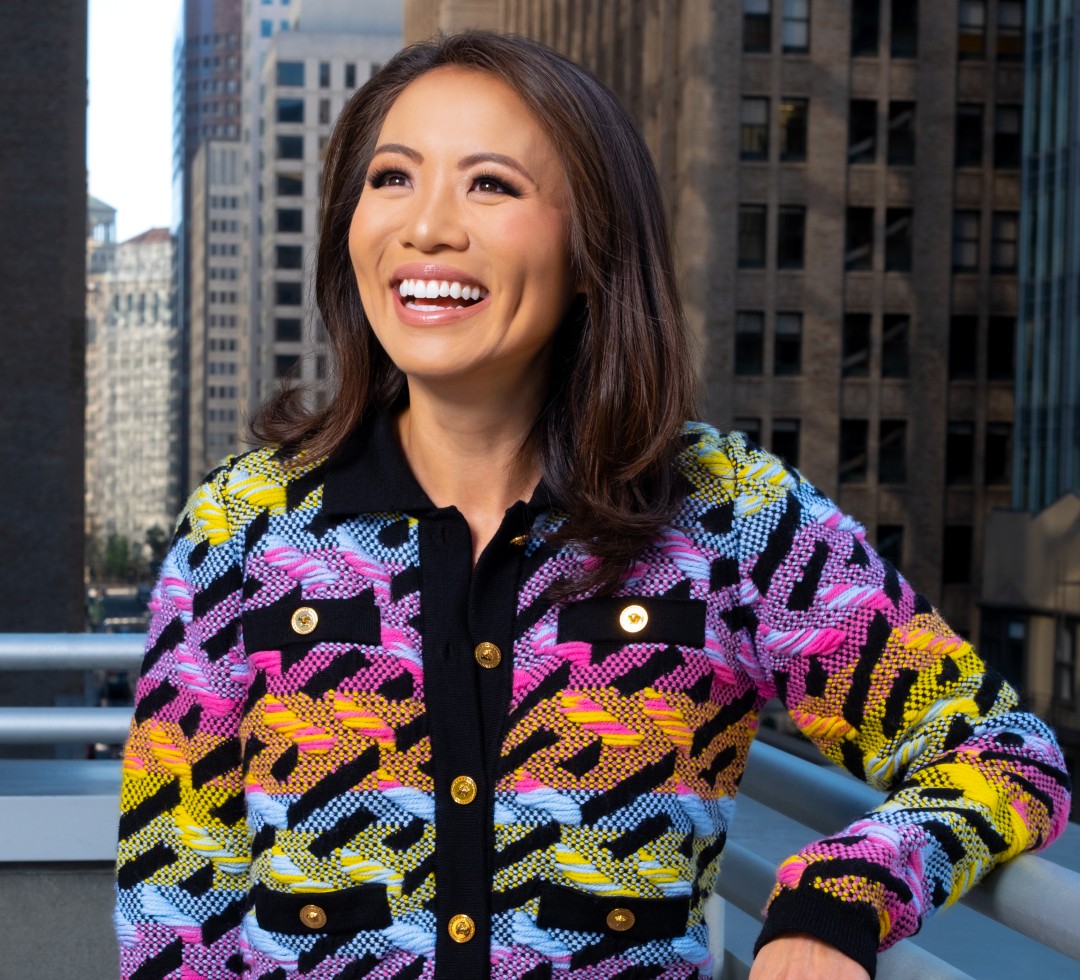
Emmy Award-winning journalist Dion Lim is known for nearly two decades as a TV news anchor and reporter, most recently with ABC News in San Francisco and the Bay Area. She is also a sought-after keynote speaker, executive advisor, and the author of the forthcoming book “AMPLIFY! My Fight For Asian America” (Third State Books).
Dion made history as the first Asian American woman to anchor weekday evening newscasts at television stations in multiple major markets, including Kansas City, Charlotte, and Tampa Bay. Her reporting on racism and violence targeting Asian Americans has been featured on Good Morning America, 20/20, Nightline, and ABC News Live. Her work and advocacy have also been highlighted by PBS, NPR, New York Magazine, USA Today, and numerous other outlets.
In addition to her journalism and community work, Dion serves as an advisor for Corporate Edge, where she focuses on media, leadership visibility, and high-stakes communications for senior executives. Drawing on her decades in broadcast journalism, she works hands-on with leaders to prepare for defining moments, from keynotes and public-facing leadership roles to complex media and cultural conversations.
Dion’s impact is undeniable. She was named to the Gold House A100 alongside Vice President Kamala Harris, and was invited by the Biden administration to the first AAPI Heritage Month celebration at the White House. She is a Dress for Success San Francisco honoree, and has received multiple commendations from the California State Assembly and the San Francisco City Attorney’s Office for AAPI and LGBTQ+ advocacy. Peninsula leaders also proclaimed July 31 as Dion Lim Day in San Mateo County.
Whether moderating a fireside chat with Martha Stewart, reporting from the Oscars red carpet, delivering a keynote, or helping others shape their own leadership narrative, Dion brings authenticity, empathy, and impact to every stage.
She lives in San Francisco with her husband and their toddler son. Find out more about her at DionLim.com.
Connect with Dion Lim:
Get the book: Amplify: My Fight for Asian America — available now!
If this episode moved you, share it with someone who needs to hear it. Subscribe, leave a review, and help us get these conversations heard across the globe.
Click here to DONATE and support our podcast
All donations are tax deductible through Fractured Atlas.
Simma Lieberman, The Inclusionist, helps leaders create inclusive cultures. She is a consultant, speaker, and facilitator. Simma is the creator and host of the podcast, Everyday Conversations on Race.
Contact Simma@SimmaLieberman.com to get more information, book her as a speaker for your next event, help you become a more inclusive leader, or facilitate dialogues across differences.
Go to www.simmalieberman.com and www.raceconvo.com for more information
Simma is a member of and inspired by the global organization IAC (Inclusion Allies Coalition)
Connect with me:
Instagram
Facebook
YouTube
Twitter
LinkedIn
Tiktok
Website
Previous Episodes
Frank Carbajal on Latino Leadership: From Migrant Farmworker Son to Silicon Valley Voice
Dr. Gina Paige on African Ancestry: How DNA Reconnects Black Americans to Their African Roots
From Black Panther to Corporate America: Elmer Dixon on Race, Revolution, and Why DEI Is Not Dead
Loved this episode? Leave us a review and rating